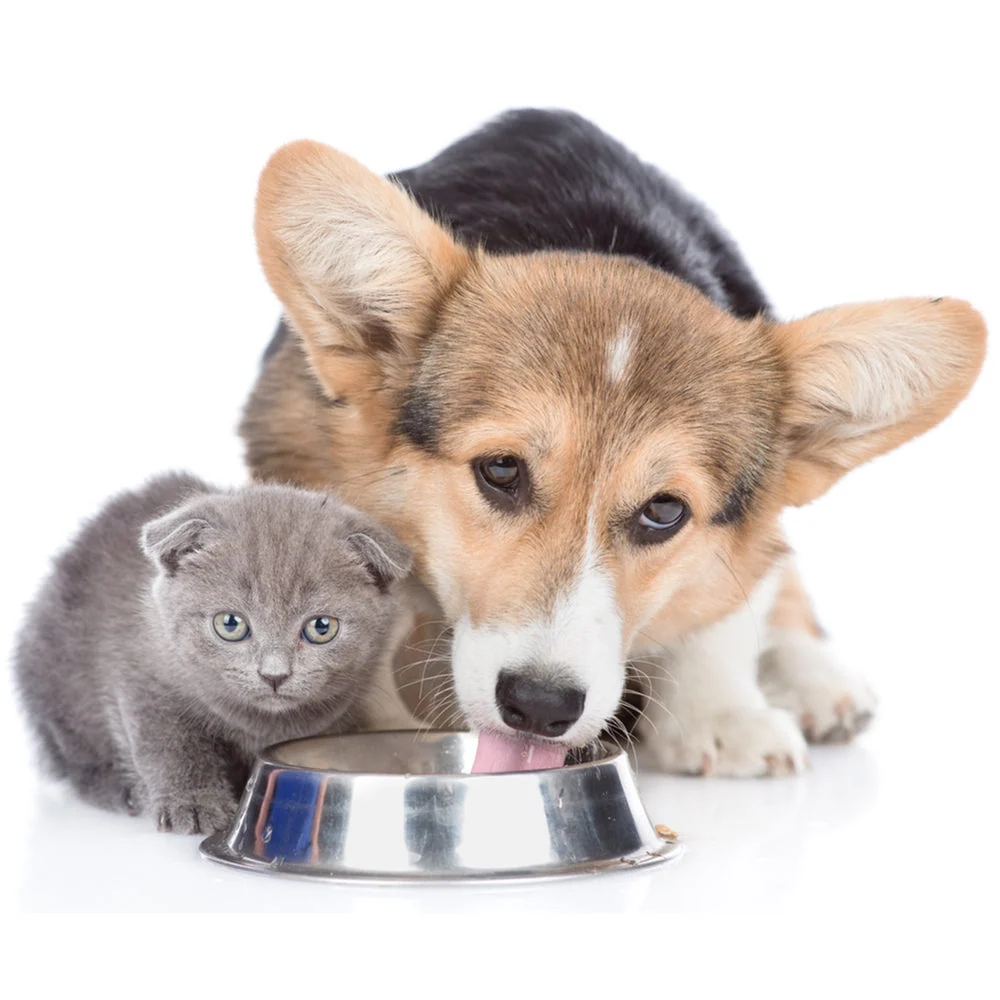
What's in the bowl matters. Every day, your pet's food supplies the energy and nutrients they need for normal activity, skin and coat health, and body maintenance. Choosing a suitable diet—and feeding the right amount—is one of the most consistent ways to care for them.
If you're comparing dog food and cat food in Bushwick, start with your pet's needs rather than the most eye-catching bag. At Brooklyn Pets, we can help you compare recipes, read labels and find options that fit your routine and budget.
Food is the foundation
Protein, fats, vitamins and minerals all play a part in a balanced diet. Cats and dogs have different nutritional requirements, so choose food made for the right species and life stage. A kitten, an adult indoor cat and a growing large-breed puppy do not all need the same formula.
A comfortable weight, normal energy and good digestion are useful things to monitor, but appearance alone cannot tell you whether a food is nutritionally adequate. Persistent itching, loose stools or weight changes deserve a conversation with your veterinarian.
“Premium,” “natural,” and a high price don't guarantee better nutrition. Nor are grains, meat meals, or by-products automatically signs of poor quality: ingredients such as organs can supply valuable nutrients. What matters is how the finished diet is formulated, tested, and matched to your pet.
What high-quality pet food really means
You don't need a nutrition degree to ask useful questions. Start with these five checks:
1. Look for a complete-and-balanced statement
Find the nutritional adequacy statement, usually near the feeding directions. For a main diet, look for food that meets AAFCO nutrient profiles or has passed feeding trials using AAFCO procedures. Match the statement to your pet's species and life stage. Treats and some toppers are intended only for supplemental feeding.
2. Check who develops and tests the food
Ask the manufacturer about nutrition expertise, quality control and testing of finished products. Clear answers are more useful than a reassuring slogan on the front of the bag.
3. Read beyond the first ingredient
Named proteins and fats help you understand a recipe, but the ingredient list alone cannot rank its nutritional quality. Ingredients are listed by weight, including their moisture. A fresh meat listed first does not tell you everything about the finished food.
4. Compare calories and feeding amounts
Two bags can have very different calories per cup. Use the feeding guide as a starting point, measure portions and adjust with your veterinarian's advice. Include treats and toppers in the daily total. Compare cost per day as well as the price per bag.
5. Consider sourcing and your pet's individual needs
If traceability or animal-welfare practices matter to you, look for specific sourcing information you can check. Also consider age, activity, body condition and medical needs. Grain-free food is not automatically a better choice for every pet, and the highest protein percentage is not a universal goal.
Pet food brands to explore at Brooklyn Pets
We carry high quality brands such as: ORIJEN, ACANA, Open Farm, Wellness, and Stella & Chewy's. Each offers different recipes and formats to compare
ORIJEN: animal-ingredient-focused recipes
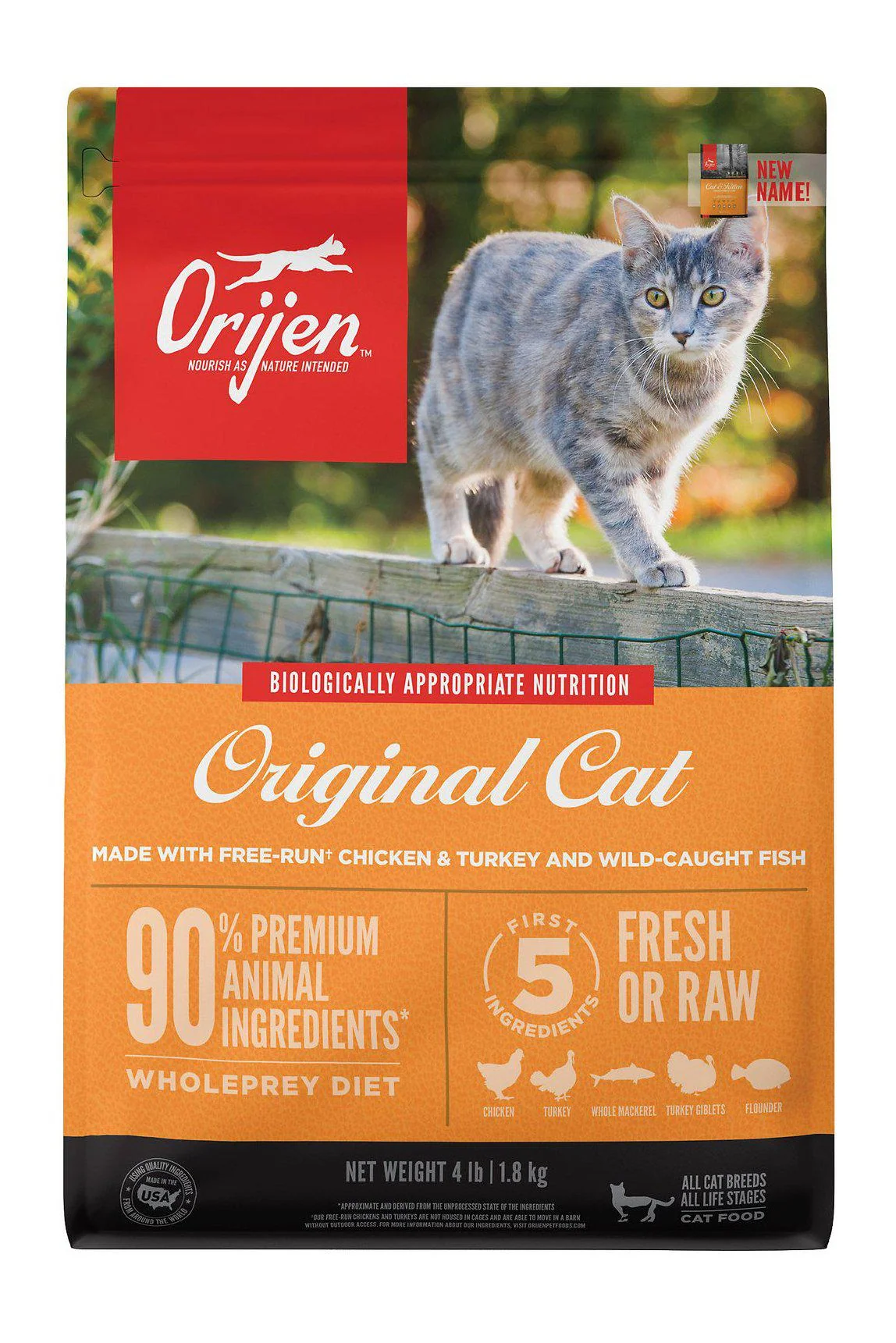
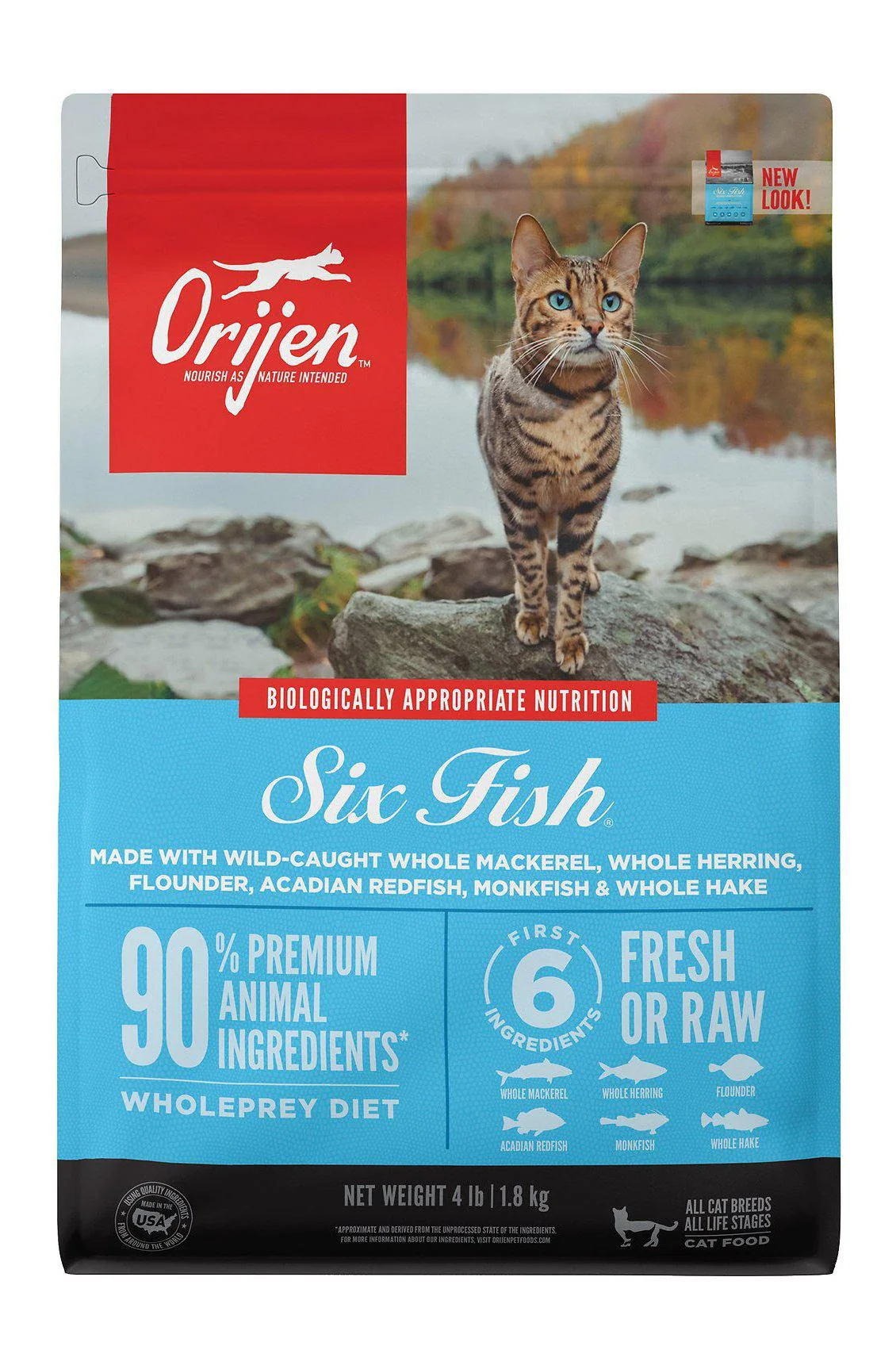
ORIJEN emphasizes animal ingredients in its recipes. They offer different protein combinations, so compare the full ingredient list, calorie content, and nutritional adequacy statement when deciding what suits your cat. The brand describes its approach as “biologically appropriate.” Treat that as its product philosophy.
ACANA: different protein combinations for dogs
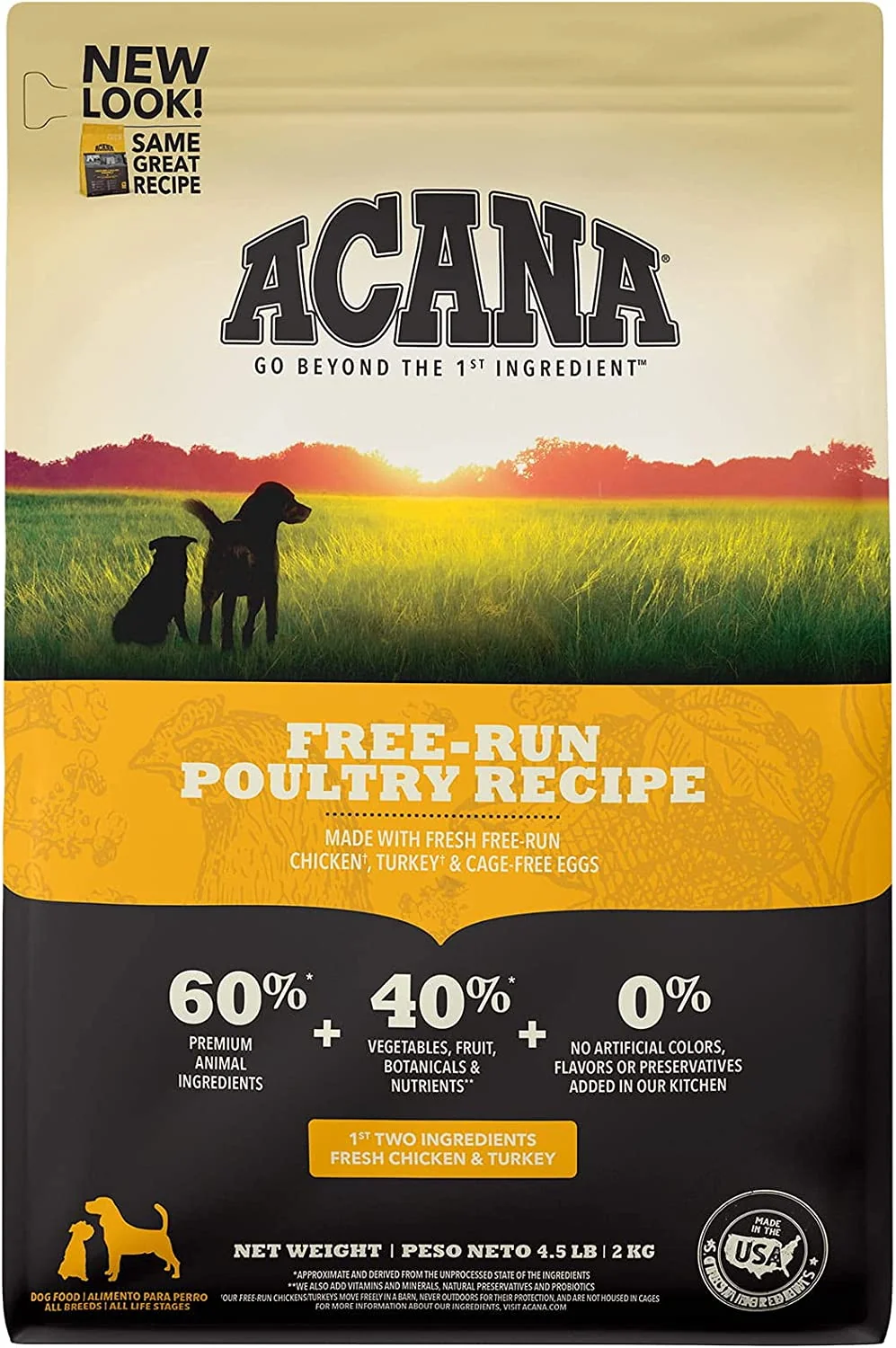
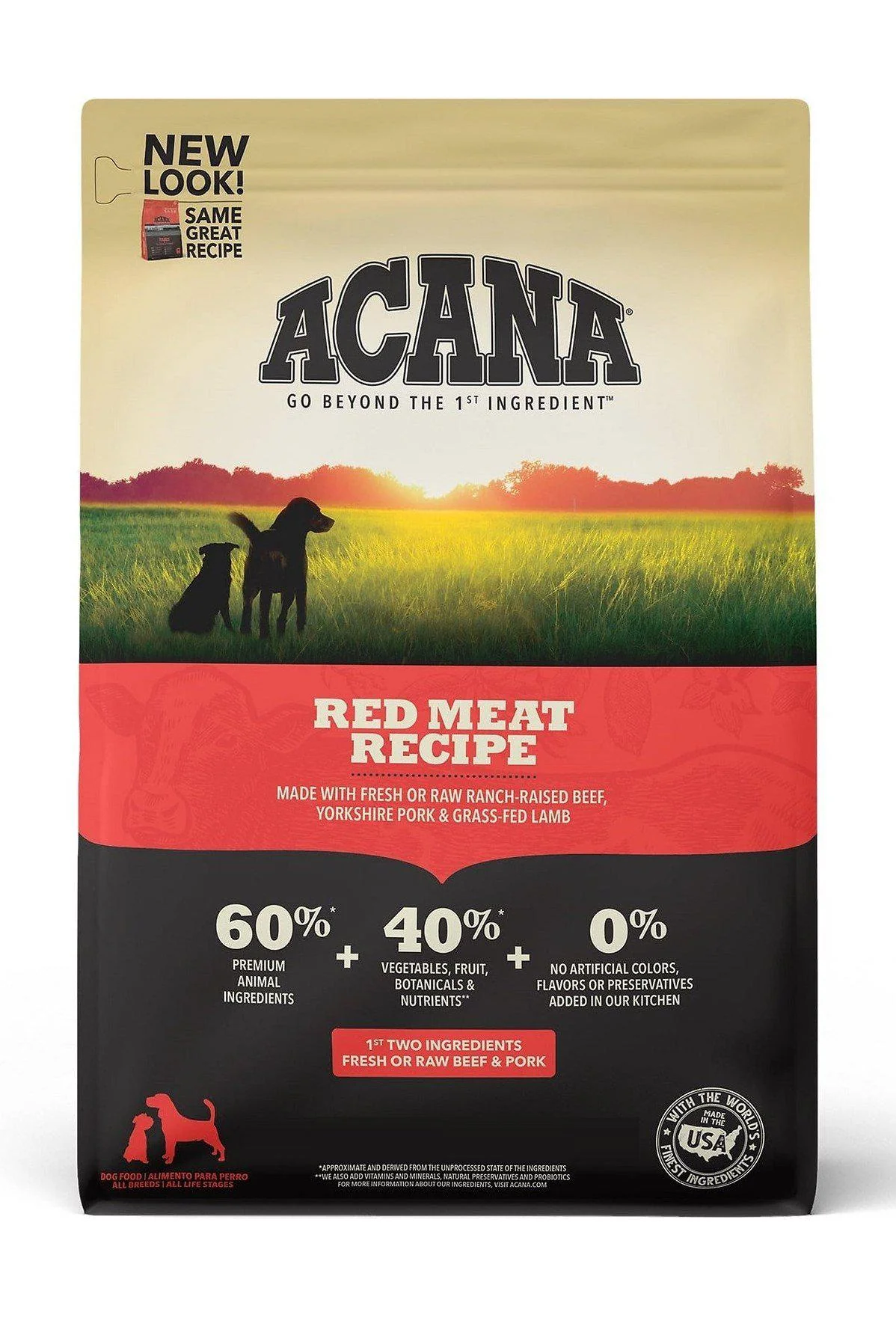
The ACANA dog foods pictured are Free-Run Poultry Recipe and Red Meat Recipe. Their package labels highlight poultry ingredients in one and beef, pork and lamb in the other.
Choosing between them starts with your dog's age, feeding needs and any veterinary dietary advice. A recipe name does not reveal every ingredient, so read the full label if you need to avoid a particular protein.
Open Farm: sourcing information you can explore
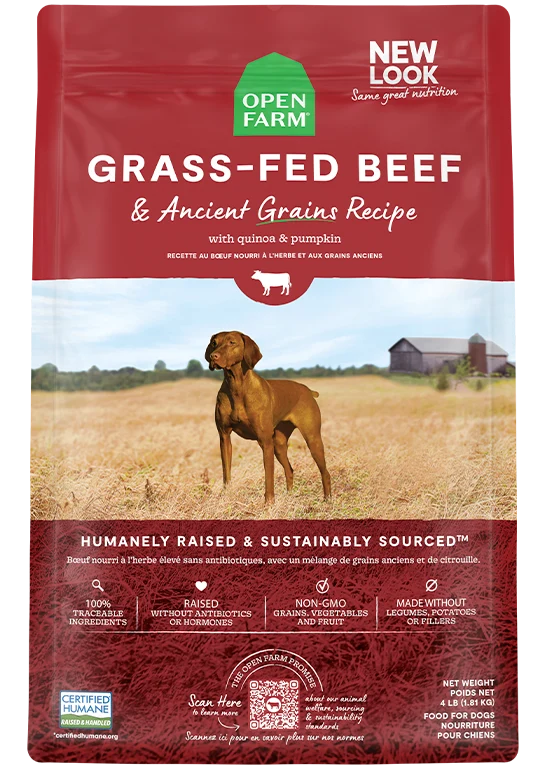
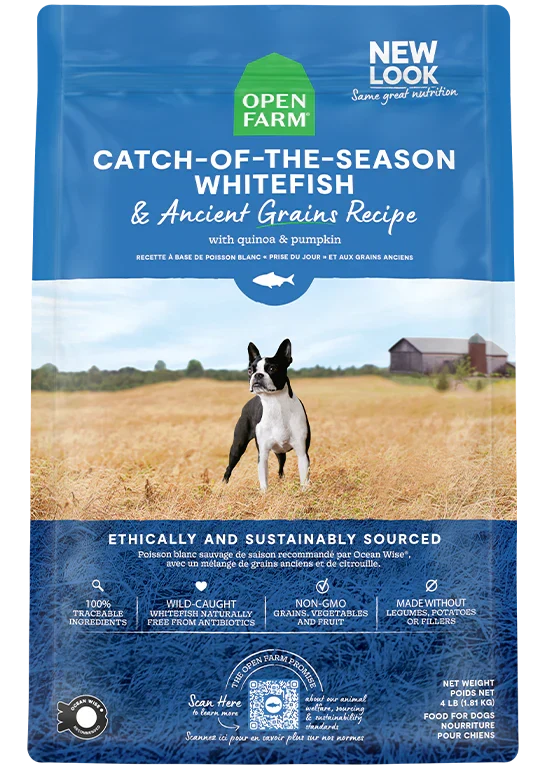
Open Farm emphasizes ingredient traceability and publishes sourcing information. Its lot-code tool lets shoppers investigate the geographic origins of ingredients in a particular bag.
These are grain-inclusive options. Check the life-stage statement carefully: Open Farm's published Grass-Fed Beef & Ancient Grains guidance excludes the growth of large-sized dogs expected to reach 70 lb or more as adults.
Stella & Chewy's: understand the food format
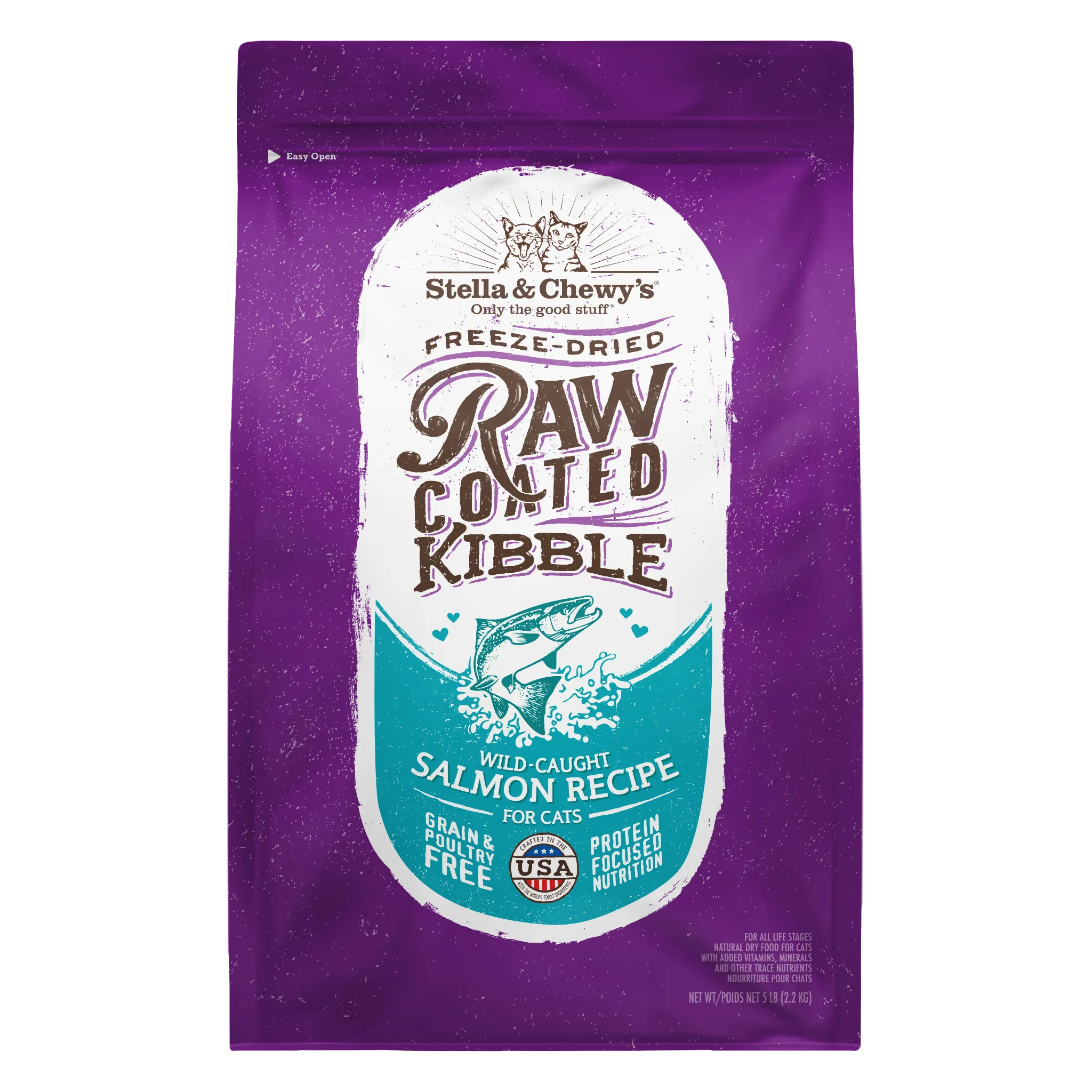
Stella & Chewy's offers raw-inspired foods in several formats. Raw Coated Kibble, Wild-Caught Salmon Recipe for Cats. It is kibble with a freeze-dried raw coating, rather than a bag of entirely freeze-dried raw meals.
When comparing a meal, mixer, or topper, check whether that exact product is complete and balanced or intended for supplemental feeding.
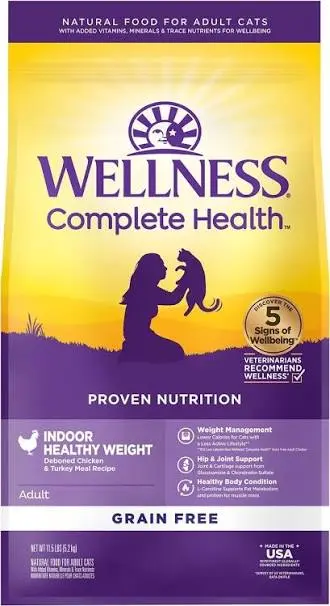
Wellness: an indoor-cat option to ask about
The Wellness photo shows Complete Health Grain Free Indoor Healthy Weight, labeled for adult cats, with deboned chicken and turkey meal. It shows why life stage and body condition matter when comparing foods.
A “healthy weight” label does not replace portion control or an individual feeding plan. Ask about current availability, and work with your veterinarian if your cat needs to lose weight.
How to switch dog or cat food gradually
A sudden change can upset your pet's stomach. For many healthy pets, a gradual transition over 7–10 days is a practical starting point. Here is a 10-day example:
| Days | Old food | New food |
|---|---|---|
| 1–3 | 75% | 25% |
| 4–6 | 50% | 50% |
| 7–9 | 25% | 75% |
| 10 | 0% | 100% |
These proportions replace the existing diet; they do not mean adding extra food. Because recipes differ in calorie density, compare the feeding guides and ask your vet how much of each to use.
Slow down if your pet needs more time. Do not force a reluctant cat to go without food to make the switch. Contact your veterinarian if your pet stops eating or develops repeated vomiting, diarrhea or unusual lethargy. Pets on prescription diets or with medical conditions need an individual transition plan.
Find the right food for your pet in Bushwick
Good nutrition should work for your pet and your household. You don't have to choose the most expensive bag to make a thoughtful choice. Bring a photo of your current food label, your pet's age and weight, and any recommendations from your veterinarian.
Visit Brooklyn Pets at 113 Wyckoff Avenue or 194 Wilson Avenue to compare dog and cat food options. Our team can help explain product labels and check availability; your veterinarian can guide medical diets and suspected food allergies.
Explore our Wyckoff Avenue store, our Wilson Avenue store or featured pet supply brands. A little label-reading today can make the daily bowl a better fit for years to come.