
Our clocks fell back one hour on Sunday, November 1, but your pet never got the memo. If your dog is suddenly nudging you awake at what feels like 5 a.m., or your cat is yowling for breakfast an hour early, the time change may be part of the reason.
The good news: a few small, gradual changes can make the shift easier on them—and on you. Allow about a week for the transition, with extra time for pets who need it.
Why the time change throws pets off
Pets run on routine, not on the clock. Their bodies expect meals, walks and sleep at familiar points in the day, shaped by daylight and habit. After the clocks fall back, a 7 a.m. breakfast arrives at what feels like 8 a.m. to your pet's body, while their hunger and wake-up cues stay put.
You may notice early wake-ups, begging at the bowl, evening restlessness or an occasional indoor accident. A schedule mismatch can explain these changes; it isn't bad behavior. New or persistent symptoms still deserve attention rather than being blamed automatically on the clocks.
Shift mealtimes gradually
Move meals in small steps rather than all at once. If your pet normally eats at 7 a.m. and 5 p.m., their body now expects food an hour early on the new clock: 6 a.m. and 4 p.m. For a healthy adult pet, one example is to slide meals 15 minutes later every two days until you reach your regular times:
| Days | Breakfast | Dinner |
|---|---|---|
| 1–2 | 6:15 a.m. | 4:15 p.m. |
| 3–4 | 6:30 a.m. | 4:30 p.m. |
| 5–6 | 6:45 a.m. | 4:45 p.m. |
| 7 and on | 7:00 a.m. | 5:00 p.m. |
All times above use the new, standard-time clock. Day 1 means the first day you begin this plan. Adjust the starting time to match your routine and take smaller steps if your pet needs them. If they have already adjusted, keep their current schedule steady.
Keep portions the same. Rather than adding extra food to quiet an early beggar, keep the daily amount consistent and include any food used in puzzle toys in that total.
A timed feeder can help keep meals consistent
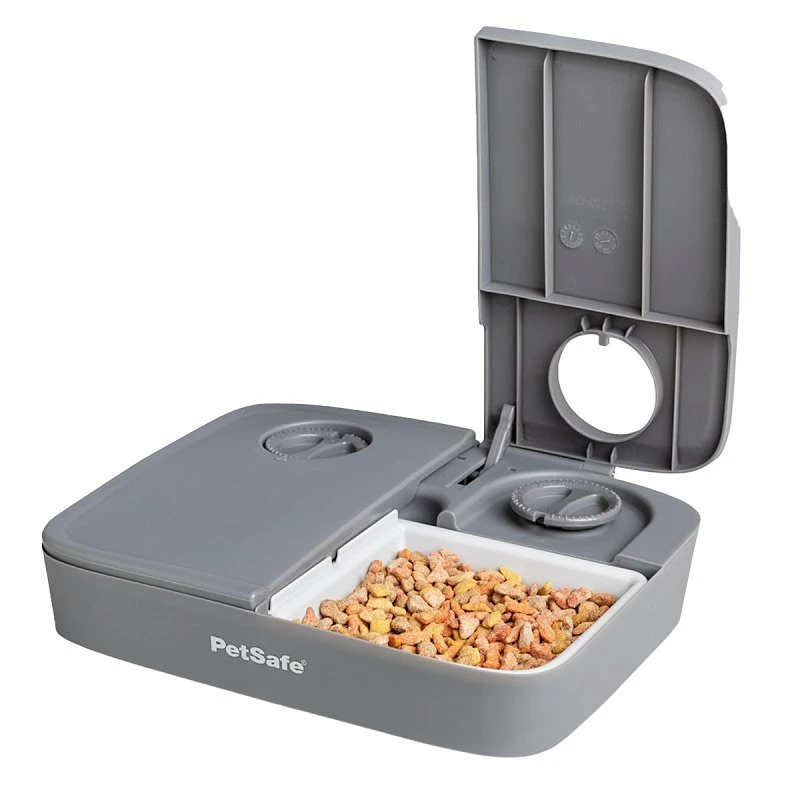
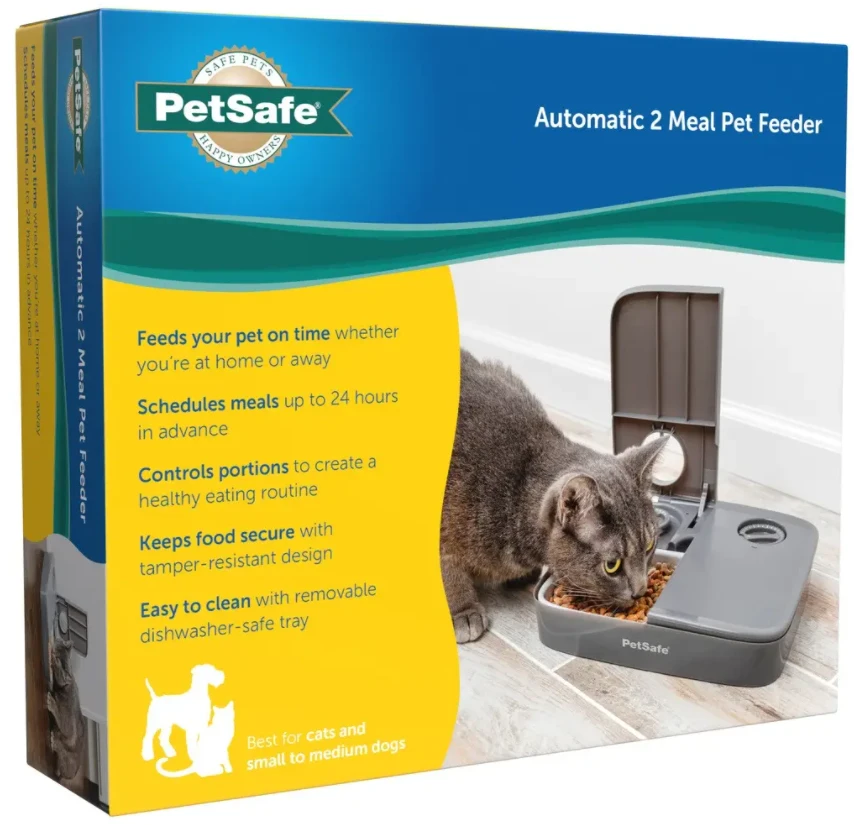
The PetSafe Automatic 2 Meal Pet Feeder shown below uses dial timers to open its covered food compartments. Measure the portions yourself, follow the instructions for your model and check its timing before relying on it. It can support a meal routine, but its timer markings may not allow precise 15-minute changes; serve meals manually during the gradual transition if needed.
A gravity feeder works differently
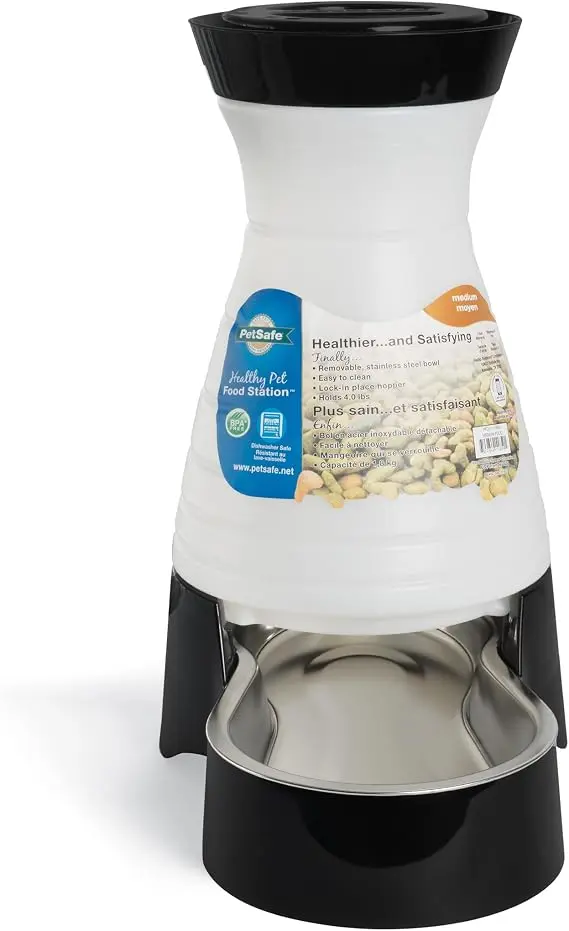
The PetSafe Healthy Pet Food Station below replenishes its bowl by gravity as food is eaten. It does not schedule meals or measure out timed portions. If your goal is to move breakfast to a specific time, use measured meals or a suitable timed feeder.
Waking, walks and sleep
Wake-ups and bathroom breaks follow the same general logic as meals. A few things help:
- Shift walks gradually. Move regular morning and evening walks in small steps alongside meals, but offer extra bathroom breaks whenever needed.
- Get morning light. Open the blinds or step outside after waking. Daylight helps reinforce the difference between daytime activity and nighttime rest.
- Keep early wake-ups low-key. First check for a bathroom need, discomfort or distress. If your pet simply wants attention, avoid turning an early wake-up into breakfast or an exciting play session. Never make a pet wait for a necessary potty break.
- Add suitable evening activity. A short play session or supervised food puzzle can provide enrichment before your usual wind-down. Match the activity to your pet's age and health.
- Keep bedtime predictable. Use familiar wind-down cues and a comfortable sleeping spot. If the bedtime shift is difficult, adjust gradually, too.
- Mind the dark. Shorter days mean more walks after sunset. Use reflective gear or a clip-on light for dogs, stay alert and keep cats safely indoors with things to do.
Give busy minds something to do
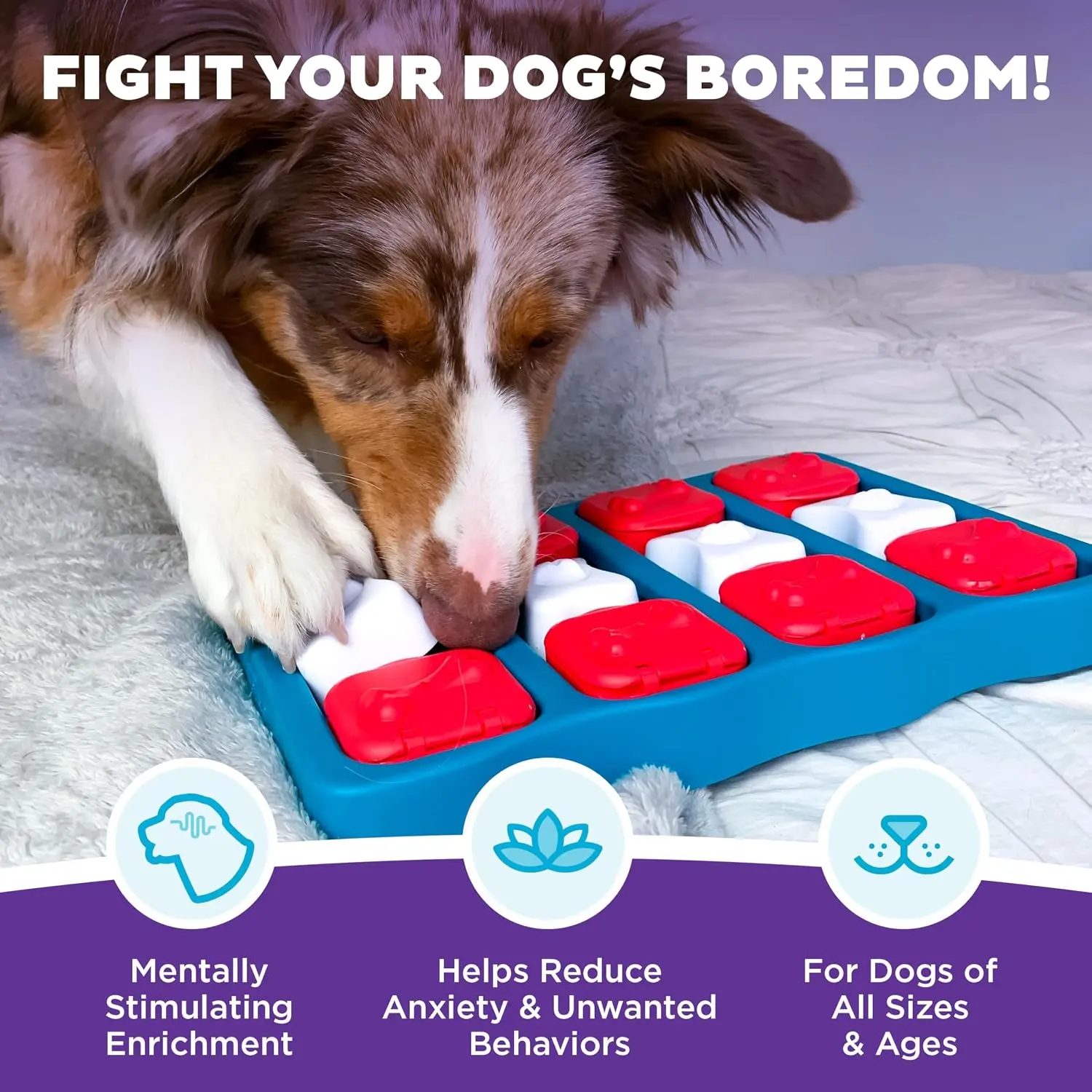
A Think N' Thrive puzzle toy, like the one pictured, gives your dog a chance to sniff and work for a portion of their usual food. Start with an easy setup, supervise play and put the toy away if your dog begins chewing or damaging it. Enrichment can be part of a relaxing routine; it is not a guaranteed fix for anxiety or early waking.

Pets who need extra care
- Pets on medication or insulin: Do not shift dose times on your own. Ask your vet how to coordinate meals and medication through the time change.
- Senior pets: Older pets may take longer to adjust. Keep changes small, offer frequent bathroom breaks and watch for new confusion or discomfort.
- Puppies and kittens: Young pets need age-appropriate meals and bathroom breaks. Use smaller timing changes, such as 10 minutes at a time, while maintaining their usual feeding frequency.
- Anxious pets: A calm, predictable routine matters. Stick to familiar cues, offer a quiet resting place and speak with your vet if anxiety persists.
Calming support for cats
The Comfort Zone Cat Calming Kit pictured below is a pheromone diffuser intended to support a calmer environment. It may be an optional addition to familiar routines for some cats, but it does not reset the body clock or replace veterinary care. Use it only as directed on its package.

Contact your vet promptly for a loss of appetite, repeated digestive upset, unusual lethargy or marked distress. Seek advice sooner for young, diabetic or otherwise unwell pets, and do not wait for the time-change adjustment period to pass if something seems wrong.
A little patience goes a long way
Your pet isn't being difficult; their routine may simply need time to catch up. Move meals and walks gradually, make room for daylight and appropriate play, and keep things predictable. The goal is a comfortable transition—not a perfect schedule overnight.
Need help comparing feeders, enrichment toys or calming products? Stop by Brooklyn Pets on Wyckoff Avenue or Wilson Avenue, and ask about current availability. We'd love to hear how your pet is handling the time change and what has helped at home.